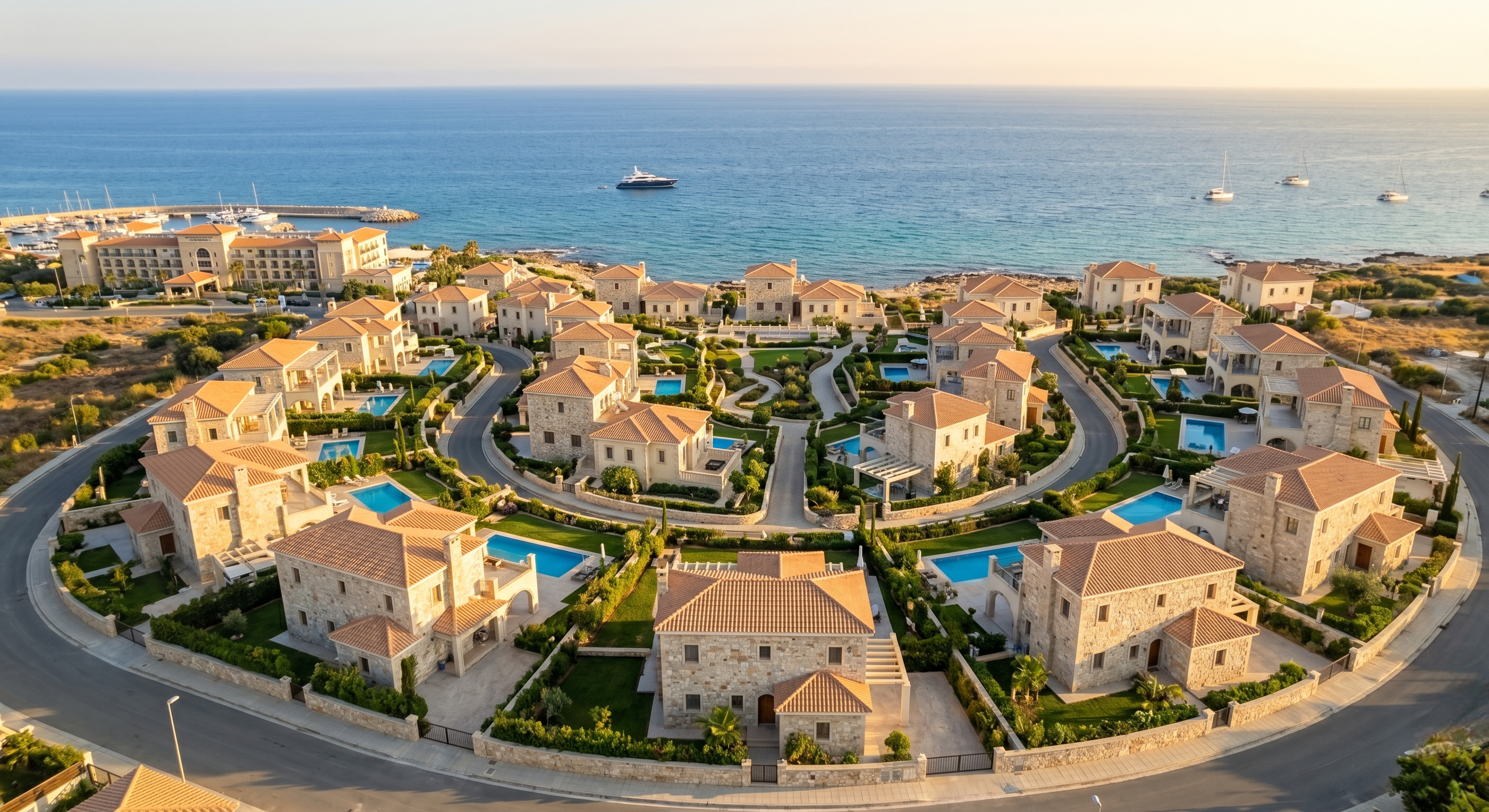
Buying property in Cyprus is one of the most rewarding decisions you can make. The climate, the lifestyle, the relatively low cost of living and a legal framework that welcomes international buyers all make the island stand out in Europe. But like any property market, Cyprus has its nuances. And the buyers who navigate it best are the ones who do their homework before they sign anything.
Here are 6 things that most buyers only find out after it is too late.
1. Cyprus Has Some of the Lowest Property Transfer Fees in the EU
When you buy a resale property in Cyprus, you pay a transfer fee to the Land Registry to register the property in your name. This fee is calculated on a progressive scale of 3% to 8% of the property value. While that might sound significant, it is actually one of the most competitive rates in the European Union, where transfer taxes in countries like Spain, Belgium or France can reach 10% to 12% or higher.
There is also a longstanding 50% reduction on transfer fees for resale properties, which brings the effective rate down considerably. On a €250,000 apartment in Limassol, for example, the transfer fee after the 50% reduction works out to around €6,600.
If you are buying a new build where VAT has been charged, transfer fees do not apply at all.
2. First Time Buyers Can Pay Just 5% VAT Instead of 19%
New properties in Cyprus are subject to VAT at the standard rate of 19%. However, if you are buying your first home in Cyprus and plan to use it as your primary and permanent residence, you may qualify for a reduced VAT rate of just 5%.
To qualify in 2026, the reduced rate applies to the first 130 square metres of the property, the total property value must not exceed €350,000 and the total transaction value must not exceed €475,000. You must also not own another primary residence in Cyprus.
This is a significant saving. On a €250,000 new build, the difference between paying 5% and 19% VAT is €35,000. It is worth verifying your eligibility with a local lawyer before you commit.
3. Not All Properties Have a Clean Title Deed
This is one of the most important things to understand about the Cyprus property market and one that catches many foreign buyers off guard.
Title deed issues have been a longstanding challenge in Cyprus, stemming largely from the property boom of the 2000s. Many developers built and sold properties using bank financing and in some cases the mortgage on the land was never discharged before units were sold to individual buyers. As a result, some resale properties are still sold without a clean, separate title deed.
Before you sign any contract, always ask your lawyer to confirm the title deed status of the property. A property without a clean title deed is not necessarily unsellable, but it adds complexity and risk to the transaction. A qualified local lawyer will carry out the necessary due diligence to protect you.
4. Non EU Citizens Need Special Approval to Buy
Cyprus welcomes international buyers, including those from outside the European Union. However, non EU citizens should be aware that there are restrictions on how much property they can purchase.
Non EU nationals can legally buy property in Cyprus but are generally limited to one property. Purchasing more than one property, or buying land above a certain size, requires approval from the Council of Ministers. This process adds time and complexity to the transaction, so it is worth factoring in from the start.
The good news is that the process is well established and routinely approved for genuine buyers. Your property lawyer will handle the application on your behalf.
5. Off Plan Properties Can Be 15 to 25% Cheaper
Buying off plan, meaning purchasing a property before it is built or while it is still under construction, can offer a significant price advantage. In Cyprus, off plan units in the same development are typically priced 15 to 25% lower than completed units.
The trade-off is delivery risk. Construction timelines can slip, developers can encounter financing issues and the finished product does not always match the brochure exactly. This does not mean off plan is a bad choice, but it does mean you need to do your homework on the developer.
Before committing to an off plan purchase, check the developer's track record on previous projects, verify that the necessary planning permits are in place and ensure your contract includes clear completion date clauses and protections in case of delays.
6. Budget an Extra 4 to 10% on Top of the Asking Price
The purchase price is just the starting point. Buyers in Cyprus should budget for additional transaction costs that typically add 4 to 10% to the total outlay, depending on whether you are buying a new build or a resale property.
For a resale property, the main costs are transfer fees of 3 to 8% (with the 50% reduction applied) and legal fees of 1 to 2% of the purchase price. For a new build, VAT is the dominant cost, either 5% or 19% depending on eligibility.
The best way to avoid surprises is to ask your lawyer for a full cost breakdown before you sign anything. A good property lawyer in Cyprus will give you a clear picture of the total outlay from day one.
The Bottom Line
Cyprus remains one of the most attractive property markets in Europe for international buyers. No annual property tax, no inheritance tax, competitive transfer fees and a legal framework that welcomes foreign ownership all work in your favour. But like any market, it rewards the informed buyer.
If you are starting your search, FindWelle lets you search for property in Cyprus in plain language. No filters, no dropdown menus, just results that match what you are actually looking for.
Start your property search on FindWelle